When Time Disappears: Why We Lose Track of Time During Online Gaming and Casino Play

When Time Disappears: Why We Lose Track of Time During Online Gaming and Casino Play
Have you ever sat down to play a few quick rounds of an online game—only to realize hours have passed? You’re far from alone. Many players experience this strange time warp when gaming online or visiting digital casinos. But why does it happen? The answer lies in a mix of psychology, design, and the brain’s reward system.
When the Brain Loses Its Sense of Time
Our perception of time is closely tied to how we process experiences. When we’re deeply focused or emotionally engaged, the brain can “forget” to track time. Psychologists call this the flow state—a mental zone where you’re completely absorbed in what you’re doing.
Online games and casino platforms are built to trigger this state. The excitement, rapid feedback, and constant variation keep the brain busy. Each small win, bonus, or near-miss releases dopamine—a neurotransmitter that fuels pleasure and motivation. That chemical rush encourages us to keep playing, even when we meant to stop long ago.
Læs også:

Designed to Hold Your Attention
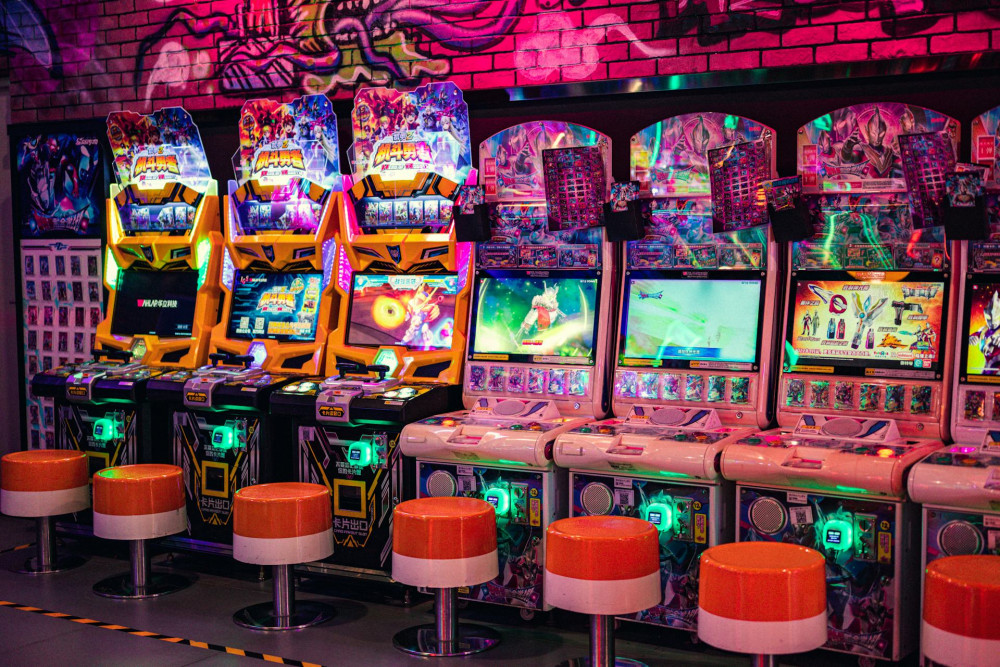
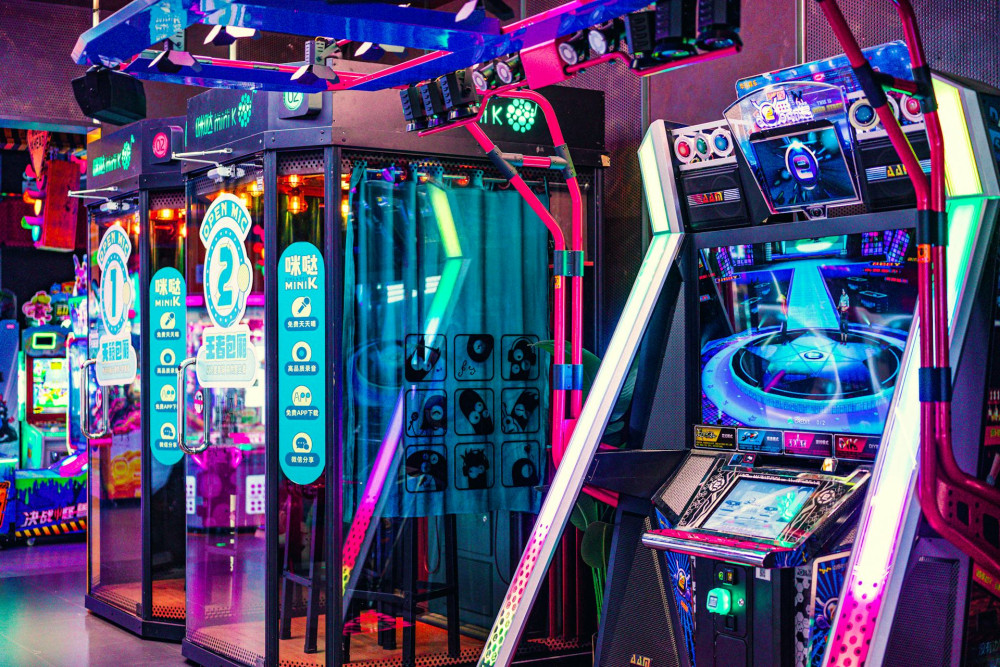
Online casinos and gaming platforms use deliberate design strategies to keep players engaged. These techniques are subtle but powerful, combining sensory stimulation with psychological triggers.
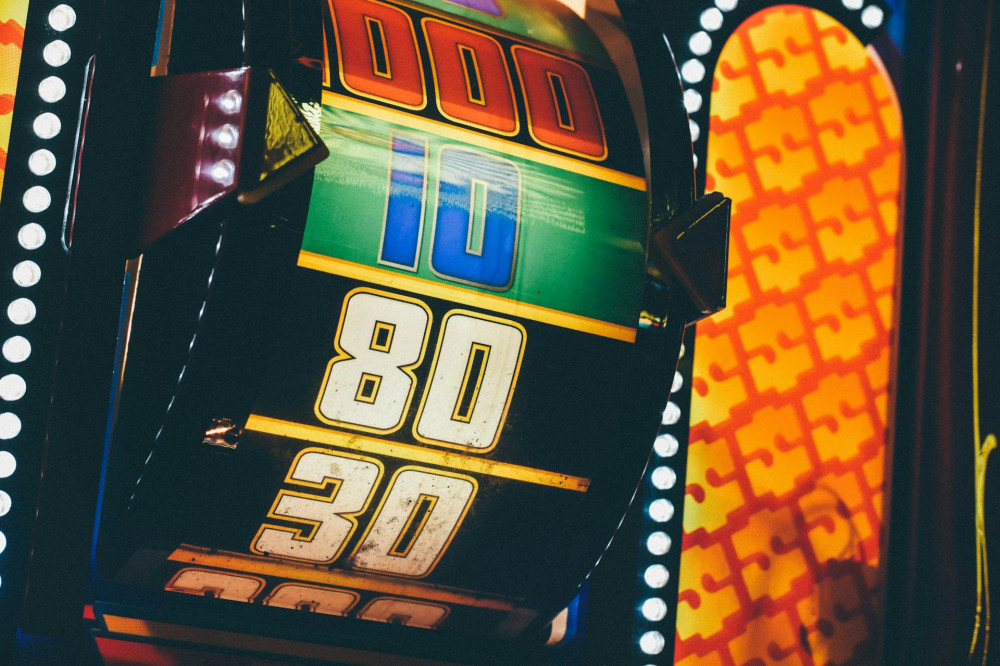
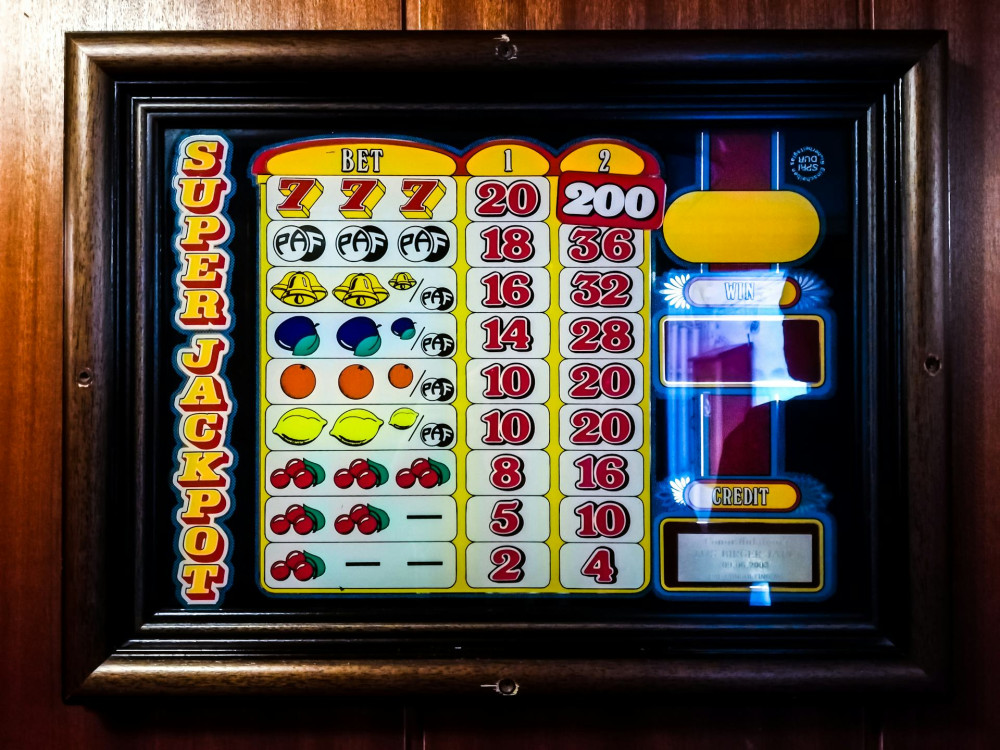
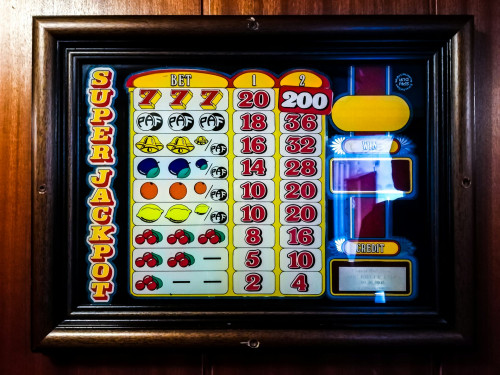
- Sound and visuals: The celebratory jingles, flashing lights, and colorful animations create a sense of success—even for small wins.
- Continuous play: Unlike physical casinos, where you might have to move to another machine, online play continues seamlessly with a single click.
- Reward systems: Bonus rounds, loyalty points, and “almost-win” moments keep motivation high.
- Lack of time cues: Most online games don’t display clocks or natural breaks, making it harder to notice how long you’ve been playing.
Together, these elements create an immersive experience where time seems to blur—and stepping away becomes increasingly difficult.
The Psychology Behind “Just One More Round”
When we play, the brain’s reward system activates much like it does during other stimulating activities. But in gaming, the rewards are unpredictable—and that unpredictability is what makes it so compelling. Research shows that variable rewards release more dopamine than predictable ones. This means we keep playing to chase the next win, even though we don’t know when it will come.
This mechanism, known as variable reinforcement, is intentionally built into many games. It’s the same psychological principle that keeps us checking social media for new likes or messages—because we never know when the next little reward will appear.
When Entertainment Turns Into Addiction
For most people, online gaming is harmless fun. But for some, it can become a problem. When gaming starts to dominate your time, finances, or relationships, it may be a sign of developing gambling or gaming addiction.
One of the earliest warning signs is losing track of time. You play longer than planned, forget responsibilities, or lose awareness of how much you’ve spent. Over time, this can lead to stress, sleep deprivation, and financial strain.
How to Regain Control
Playing responsibly doesn’t mean quitting altogether—it means setting boundaries and staying aware of your habits. Here are a few ways to keep your gaming time in check:
- Set time limits – Use alarms or apps that remind you to take breaks.
- Track your spending – Many gaming and casino platforms offer tools to monitor your time and money.
- Play in daylight – Natural light helps your brain maintain a sense of time.
- Take regular breaks – Stand up, stretch, or do something else for ten minutes.
- Talk about it – If gaming starts to feel overwhelming, share your concerns with a friend or seek professional advice.
By staying mindful of how gaming affects your perception of time, you can enjoy it without losing control.
When Time Disappears—but You Stay in Charge
Losing track of time can be part of what makes gaming so engaging. But it’s also a reminder of how powerfully design and psychology shape our behavior. By understanding the mechanisms behind that disappearing sense of time, you can play more consciously—and make sure you’re the one in control, not the game.
Læs også: