A Poker Hand from Start to Finish: Understanding the Key Stages of the Game

A Poker Hand from Start to Finish: Understanding the Key Stages of the Game
Poker is one of America’s favorite card games—a mix of luck, skill, and psychology that has captured players from Las Vegas casinos to home games across the country. Whether you’re playing a friendly game with friends or competing online, every hand of Texas Hold’em—the most popular version of poker—follows a clear structure. Understanding each stage of a hand helps you make smarter decisions and improve your chances of winning. Let’s walk through a typical hand from start to finish.
1. Blinds and the Deal
Every hand begins with two players posting blinds—forced bets that ensure there’s always something to play for. The player to the dealer’s left posts the small blind, and the next player posts the big blind. Once the blinds are in, each player receives two private cards, known as hole cards.
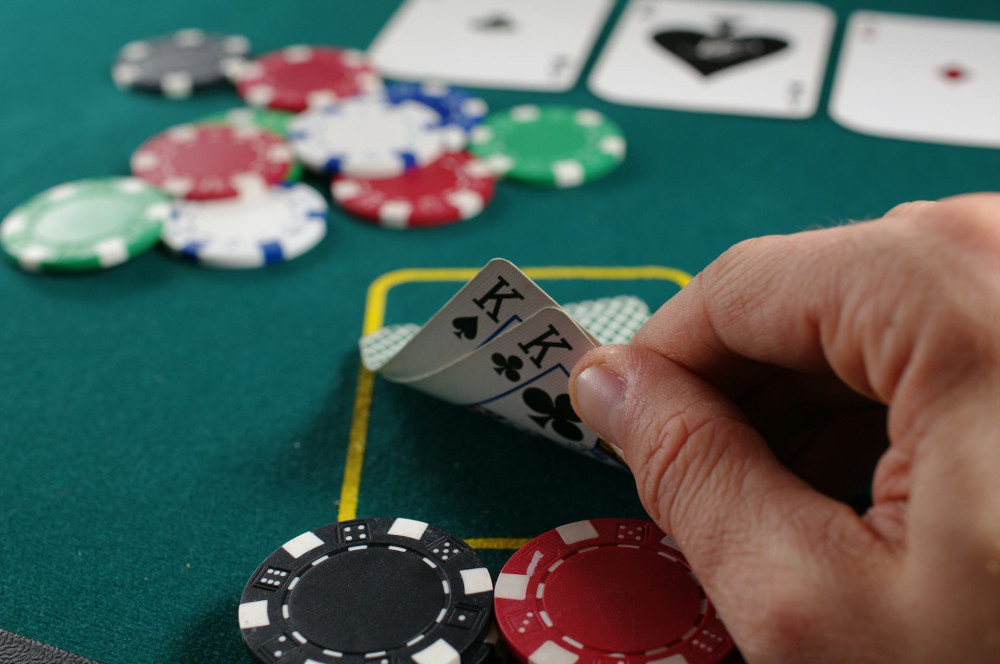
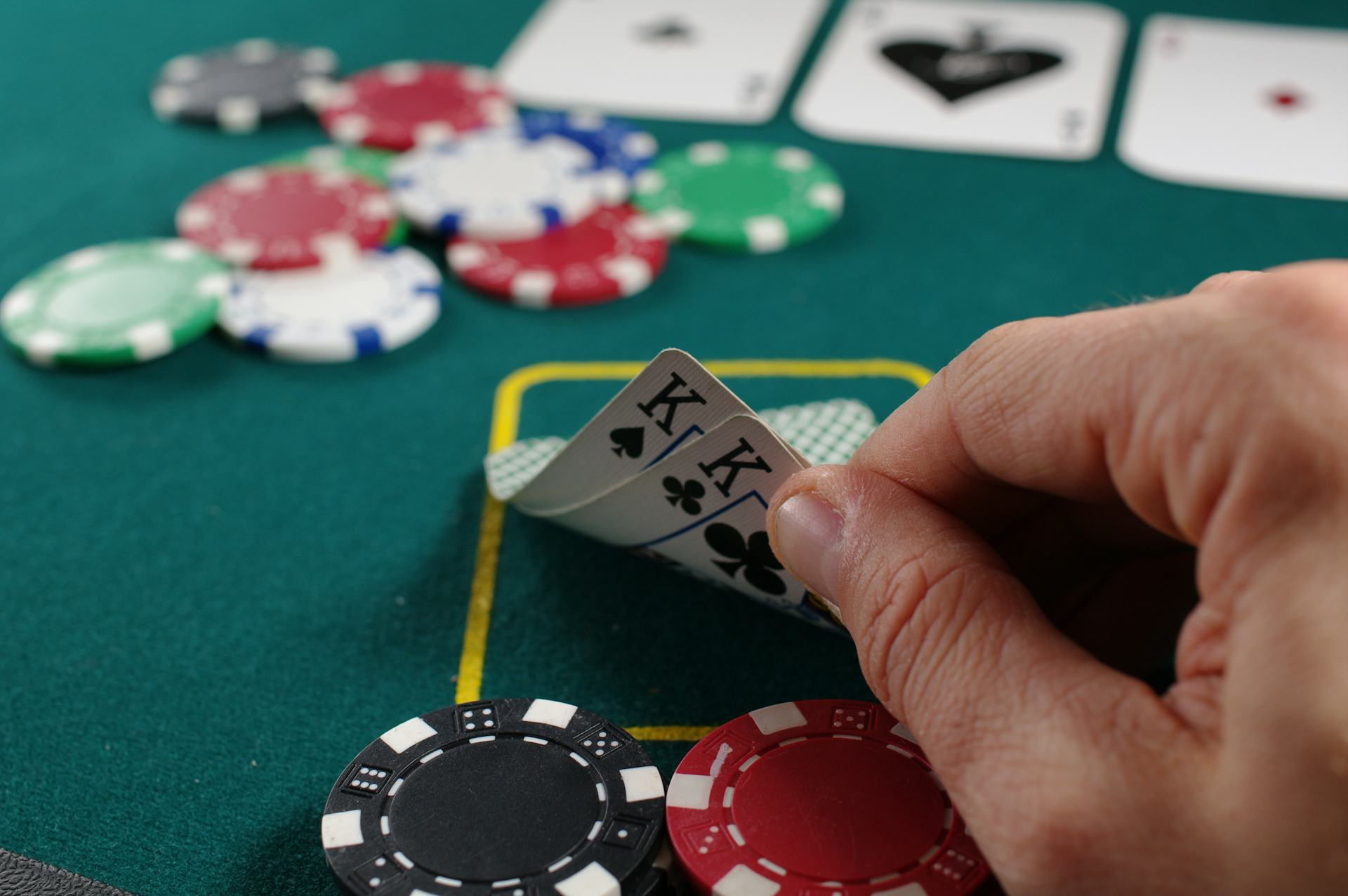
This is where strategy begins. Your two cards determine whether you should play the hand or fold. Strong starting hands like pocket aces or kings are worth playing aggressively, while weaker hands are often best folded. Knowing which hands to play from which positions is the foundation of solid poker strategy.
2. The First Betting Round – Pre-Flop
After everyone has their cards, the first betting round begins. The player to the left of the big blind acts first and can fold, call (match the big blind), or raise (increase the bet).
This stage is all about evaluating your hand’s strength and your position at the table. Players who act later in the round have an advantage because they can see how others react before making their own decision. Position is one of the most important concepts in poker—playing strong hands in late position can be a big edge.
3. The Flop – The First Community Cards
Once the pre-flop betting is complete, the dealer places three community cards face up on the table. This is called the flop. These cards are shared by all players and can be combined with their hole cards to make the best possible five-card hand.
The flop often changes everything. You might hit a strong pair, a straight draw, or a flush draw. Now it’s time to reassess your hand’s strength and decide how to proceed. Experienced players also use the flop to read their opponents—who seems confident, and who looks uncertain?
Læs også:




4. The Turn – The Fourth Community Card
After another round of betting, the dealer adds a fourth community card, known as the turn. The pot often grows larger here, and decisions become more critical. If you have a strong hand, you might bet to build the pot. If you’re chasing a draw, you’ll need to consider whether the odds justify staying in.
This is also where bluffing becomes more common. A well-timed bet can convince opponents you’re holding a stronger hand than you really are—but bluffing successfully requires good timing and a believable story.
5. The River – The Final Community Card
The fifth and final community card, the river, is dealt face up. Now all cards are on the table, and players know exactly what their best possible hand is. The final betting round follows, and this is where many hands are decided. Some players check to see a showdown for free, while others bet to extract maximum value from a strong hand.
At this stage, logical thinking is key. What hands could your opponent realistically have? Do their previous bets make sense with the story they’re telling? Reading patterns and probabilities is one of the most valuable skills in poker.
6. The Showdown – Revealing the Hands
If more than one player remains after the final betting round, it’s time for the showdown. Players reveal their cards, and the best five-card hand wins the pot. The hand rankings—from highest to lowest—run from royal flush and straight flush down to pair and high card.
Even when you lose, the showdown can be instructive. You get to see how your opponents play and can use that information in future hands.
7. Learn from Every Hand
A single poker hand might last only a few minutes, but the lessons you take from it can last a lifetime. Skilled players review their decisions: Was it right to call on the turn? Should I have folded earlier? Poker isn’t just about winning one hand—it’s about making the best decisions over time.
By understanding each stage of the game—from blinds to showdown—you build a strong foundation for success. With patience, observation, and a bit of courage, you can grow from a beginner into a thoughtful, strategic player who’s always one step ahead.
Læs også: