Emotions at the Roulette Table – How They Influence Your Decisions

Emotions at the Roulette Table – How They Influence Your Decisions
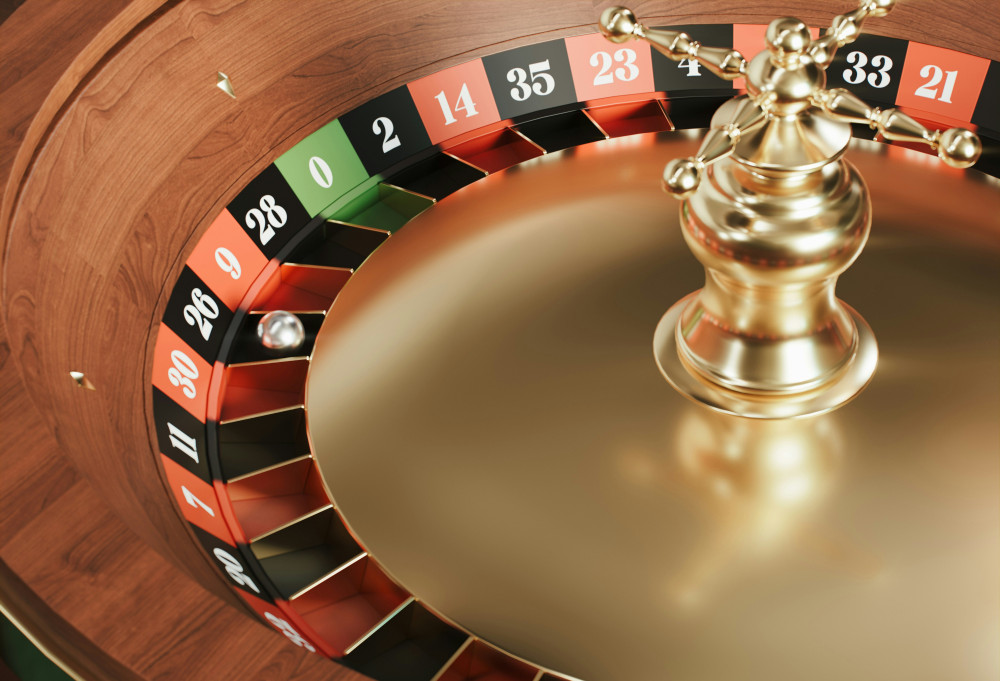
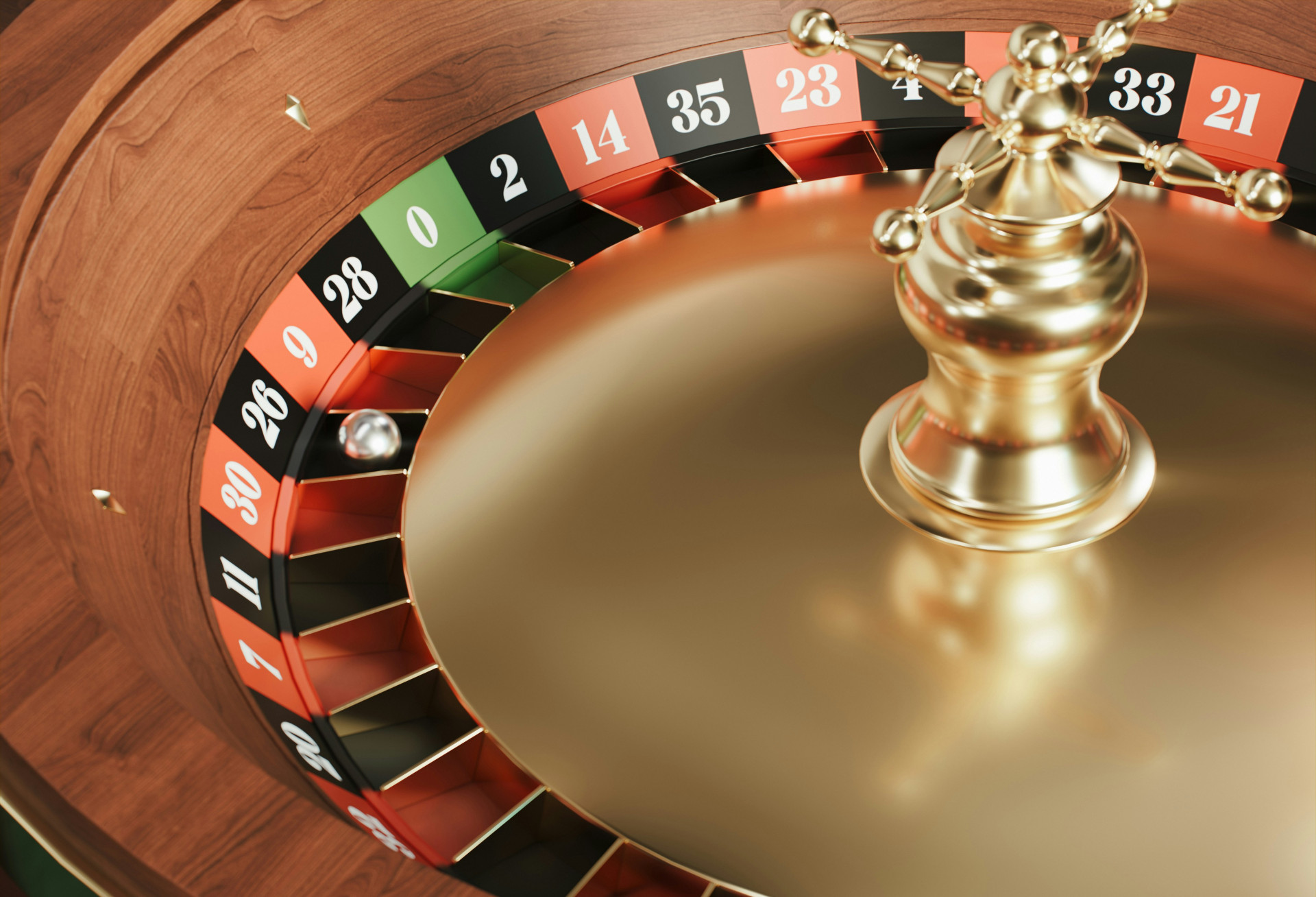
Roulette is one of the most iconic casino games – a spinning wheel, a small ball, and endless possibilities. But behind the apparent randomness lies a complex interplay between psychology, emotion, and decision-making. While the game is ultimately about chance, it’s often our emotions that determine how we play – and how long we stay at the table.
The Psychology of Excitement
When the wheel spins and your heart starts to race, your brain’s reward system kicks in. Dopamine – the so-called “feel-good” chemical – is released, creating a powerful sense of anticipation. It’s the same mechanism that fuels excitement in sports, movies, or competitions.
This rush of excitement can also make us overestimate our control over the outcome. Many players feel they can “sense” where the ball will land or believe they’ve spotted a pattern in previous spins. In reality, each spin is completely independent – but the human brain is wired to look for meaning, even where none exists.
When Emotions Take Over
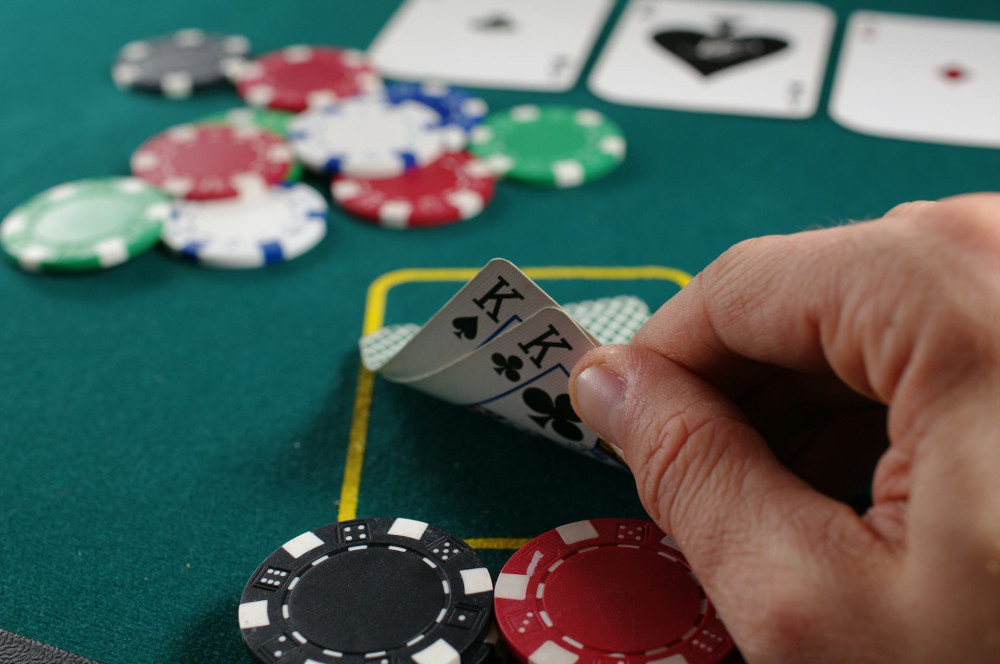
The roulette table is a place where emotions can quickly take the driver’s seat. After a loss, frustration and anger can lead to impulsive decisions – like betting larger amounts to “win it back.” This is known as chasing losses, one of the most common traps in gambling.
On the other hand, a streak of wins can create a sense of invincibility. You feel “in the zone” and start believing your luck will continue. This overconfidence effect can push players to take bigger risks than they normally would.
Both reactions – chasing losses and believing in endless luck – stem from emotion rather than logic. Recognizing these emotional patterns is the first step toward staying in control.
Læs også:

The Illusion of Control
One of the most fascinating psychological phenomena in roulette is the illusion of control. Even though the game is entirely random, many players feel they can influence the outcome by choosing certain numbers, colors, or betting patterns. Some tap the table, blow on the ball, or follow personal rituals that give them a sense of influence.
These rituals can provide comfort and focus, but they don’t change the odds. Still, the illusion of control can make the experience more engaging – and more dangerous – because it blurs the line between chance and skill.
How to Stay Calm at the Table
Playing roulette doesn’t have to be an emotional roller coaster. With a few simple strategies, you can keep your cool and enjoy the game without letting your feelings take over:
- Set a clear budget – and stick to it, no matter how the game unfolds.
- Take breaks – especially after big wins or losses. It gives your mind time to reset.
- Play for the experience, not the profit – treat it as entertainment, not an investment.
- Know your triggers – notice how you react to excitement, loss, and success.
By staying aware of your emotions, you can make more deliberate choices – and avoid letting impulses dictate your play.
Roulette as a Mirror of Human Behavior
The roulette table is more than a place of chance – it’s a mirror of how we handle uncertainty, hope, and risk. The same psychological mechanisms that drive us to bet on red or black also influence our decisions in everyday life: investing, career moves, and relationships.
Understanding your emotions at the roulette table isn’t just about gambling – it’s about understanding yourself. When you learn to recognize the emotional patterns behind your decisions, you become better equipped to act with awareness – both in the game and in life.
Læs også: