Compare the House Edge Without Calculations – A Simple Guide

Compare the House Edge Without Calculations – A Simple Guide
When you play at a casino—whether online or in person—one of the most important concepts to understand is the house edge. It’s the built-in advantage that ensures the casino makes a profit over time. Many players think you need to crunch numbers to compare house edges, but in reality, you can get a good sense of it without doing any math. Here’s a simple guide to help you spot which games give you the best chances—no calculator required.
What Does “House Edge” Mean?
The house edge is the casino’s statistical advantage in any given game. It doesn’t mean you can’t win—it just means that, over the long run, the odds are slightly tilted in the casino’s favor.
A game with a low house edge gives you better chances to win in the short term, while a game with a high house edge means you’ll likely lose faster over time. That’s why it’s helpful to recognize which games are more player-friendly before you start playing.
Læs også:


Look at How the Game Is Built
You can often tell a lot about the house edge just by looking at how a game is structured:
- Games with lots of rules and side bets usually have a higher house edge. Think of certain roulette variations or blackjack tables with extra bonus bets.
- Simple games tend to have a lower house edge. Classic blackjack, baccarat, and European roulette are good examples.
- Games with big jackpots—like progressive slot machines—almost always have a higher house edge, since part of each bet goes toward the jackpot pool.
In general, the more complex the game, the more likely it is that the casino has built in an extra margin.
Compare Games Using Common Patterns
Even if you don’t know the exact percentages, you can use some general rules of thumb:
- Blackjack: One of the most player-friendly games, especially if you follow basic strategy.
- Baccarat: Low house edge, particularly when you bet on the banker.
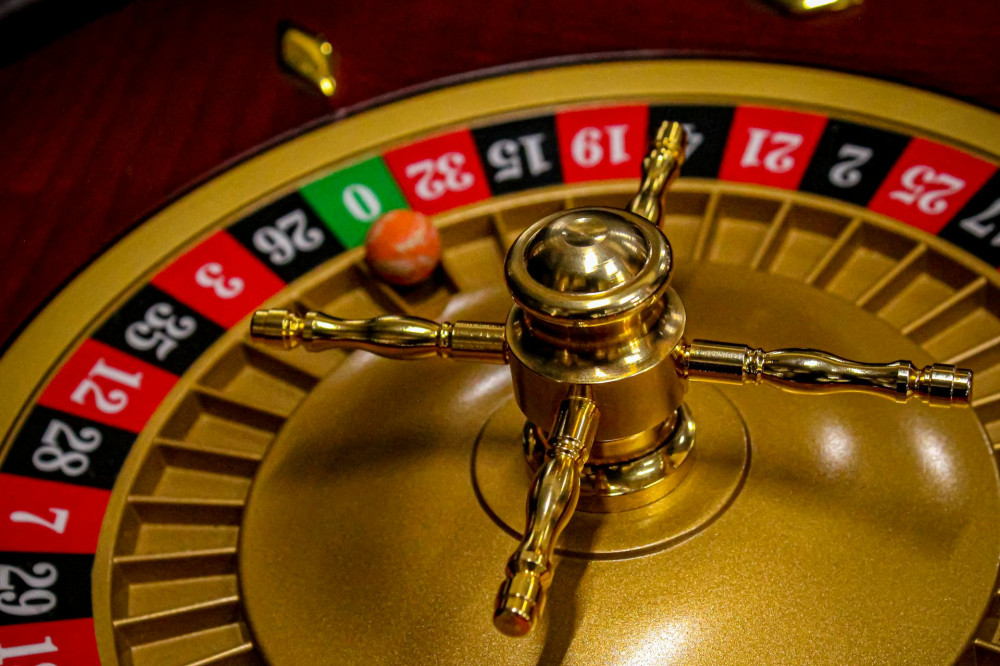
- European Roulette: Better odds than American roulette because it has only one zero.
- Craps: Some bets have a very low house edge, while others are much worse—learn which is which.
- Slot Machines: Wide variation, but generally higher house edge than table games.
By knowing these patterns, you can quickly gauge where your best chances lie without memorizing any numbers.
Watch for Rule Variations
Small rule changes can make a big difference in the house edge. For example:
- In blackjack, it matters whether the dealer hits or stands on a soft 17, or whether you can double down after splitting.
- In roulette, the extra zero in American roulette significantly worsens your odds compared to European roulette.
- In baccarat, some casinos take a small commission on banker wins, which slightly affects the edge.
Always check the specific rules of the version you’re playing—those details often determine how favorable the game really is.
Use Common Sense
You don’t need to be a mathematician to play smart. If a game promises huge payouts for tiny bets, it almost always comes with a high house edge. If a game involves strategy and decision-making, you usually have a bit more influence—and better odds.
A good rule of thumb: choose games you understand and where your choices matter. You’ll enjoy the experience more and have a better sense of control.
Play for Fun
While it’s useful to understand the house edge, remember that casinos are designed for entertainment. You can improve your chances by choosing wisely, but you can’t eliminate the house edge entirely. So treat gambling as a form of fun, not an investment.
By understanding the basic differences between games, you can play more mindfully, enjoy the experience, and maybe even make your money last a little longer.
Læs også: