Stay Focused at the Table: Use Mental Techniques to Avoid Impulsive Decisions

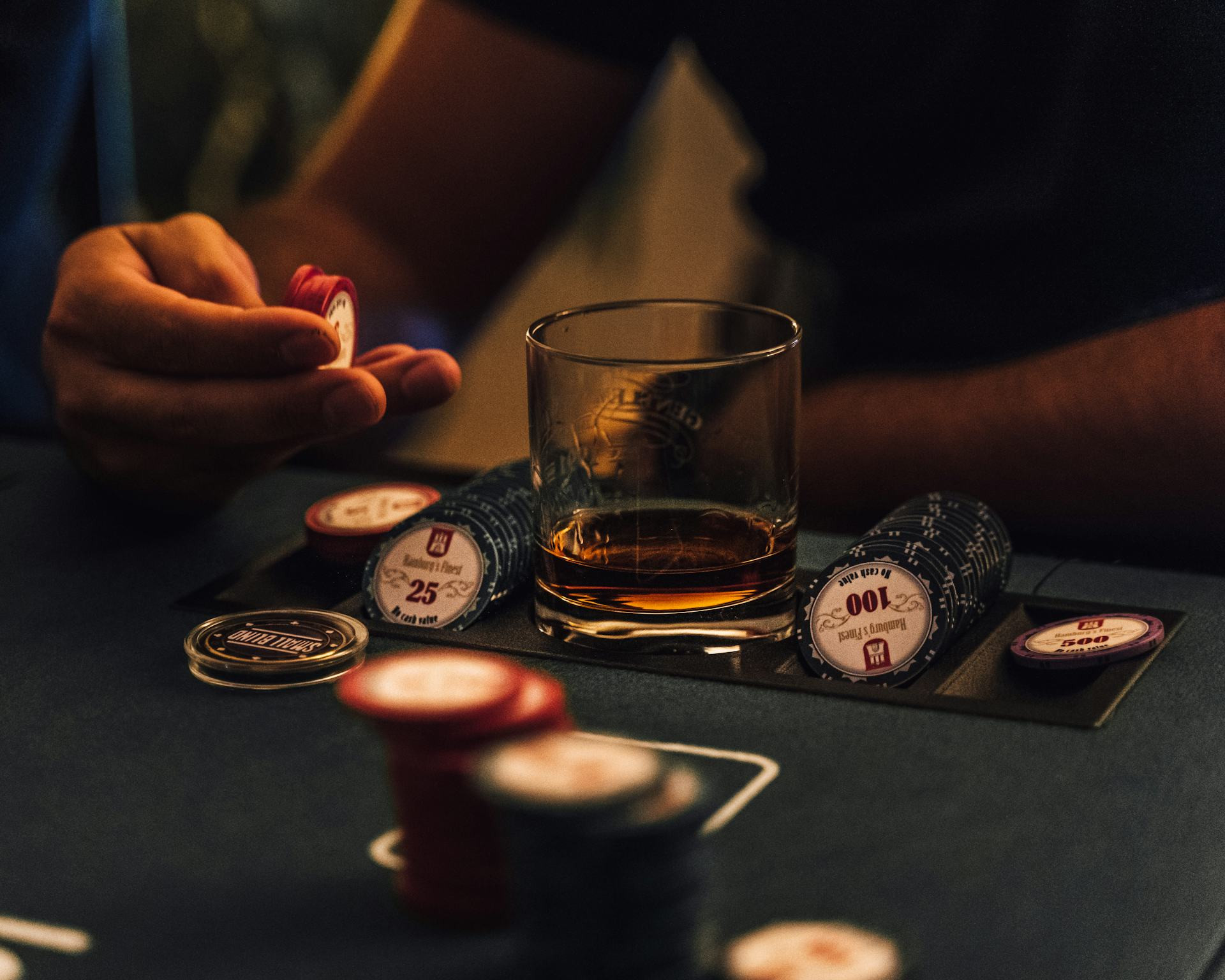
Stay Focused at the Table: Use Mental Techniques to Avoid Impulsive Decisions
When you sit down at the gaming table—whether it’s poker, blackjack, or another game of chance—the excitement can take over fast. A sudden loss, a lucky win, or even a lively conversation can push you to act on impulse instead of strategy. Yet the ability to stay calm and think clearly is often what separates a disciplined player from a reckless one. Here’s how you can use mental techniques to stay focused and avoid decisions you’ll regret later.
Understand Your Impulses
The first step toward better control is understanding why impulses arise. When you play, your brain releases dopamine—a chemical that fuels excitement and anticipation. That rush can make you chase the next win or try to “get even” after a loss, often without thinking things through.
Becoming aware of this process helps you recognize when emotions are taking the wheel. Ask yourself: Is this a calculated move, or am I reacting to frustration or excitement? Simply pausing to ask that question can give you the space to regain control.
Læs også:
Use Your Breathing as an Anchor
One of the simplest and most effective ways to refocus is through conscious breathing. When your heart rate rises and your thoughts start racing, take three slow, deep breaths. This lowers stress levels and gives your mind a moment to reset.
Many experienced players use short mindfulness techniques between hands or rounds. It can be as simple as focusing on your breath for ten seconds or feeling your feet on the floor. You don’t need to meditate in the traditional sense—just create a brief mental pause in the middle of the action.
Set Clear Mental Boundaries
Before you start playing, decide on your personal rules—and stick to them. That might mean setting a spending limit, a time limit, or a rule to walk away after a certain number of rounds. When you define your boundaries in advance, it’s easier to resist the temptation to keep going when emotions run high.
A helpful exercise is to visualize how you’ll respond in stressful moments. Imagine losing a big hand—how will you stay calm and continue playing strategically? By rehearsing these scenarios mentally, you’ll be better prepared to act rationally when they happen in real life.
Recognize Fatigue and Overload
Many impulsive decisions happen when you’re mentally drained. After hours of play, concentration fades, and your brain starts looking for shortcuts. That’s when mistakes creep in.
Take regular breaks—even if you feel like you’re “in the zone.” Stand up, stretch, get some fresh air, and drink water. It may sound simple, but short breaks can make the difference between a clear mind and a costly misstep.
Use Reflection as a Learning Tool
After a session, it’s tempting to just pack up and move on—especially if things didn’t go your way. But reflection is one of the most underrated mental techniques. Spend a few minutes reviewing your decisions: When did you stay composed, and when did you let emotions take over?
By noting patterns in your behavior, you can gradually strengthen your mental discipline. Over time, you’ll become more aware of your triggers—and better equipped to manage them before they lead to poor choices.
Mental Focus as Your Strongest Strategy
Playing with focus isn’t just about knowing the rules or having a solid strategy. It’s about knowing yourself. The best players aren’t those who never make mistakes—they’re the ones who stay calm when the pressure rises.
By using mental techniques like mindful breathing, clear boundaries, and post-game reflection, you can make decisions based on strategy rather than impulse. That not only makes your play more controlled—it makes it far more rewarding.
Læs også: