The Fibonacci Strategy in Roulette: A Calm Approach to the Game

The Fibonacci Strategy in Roulette: A Calm Approach to the Game
Roulette is one of the most iconic casino games—a blend of chance, rhythm, and anticipation centered around a spinning wheel. For many players, the appeal lies not only in the thrill of winning but also in finding a structured, thoughtful way to play. One of the most popular methods among those who prefer a measured approach is the Fibonacci strategy. Based on a mathematical sequence that has fascinated thinkers for centuries, this system offers a calm and methodical way to engage with the game.
What Is the Fibonacci Strategy?
The Fibonacci strategy is built on the famous Fibonacci sequence, where each number is the sum of the two preceding ones: 1, 1, 2, 3, 5, 8, 13, and so on. In roulette, this sequence is used to determine how much to bet after each spin.
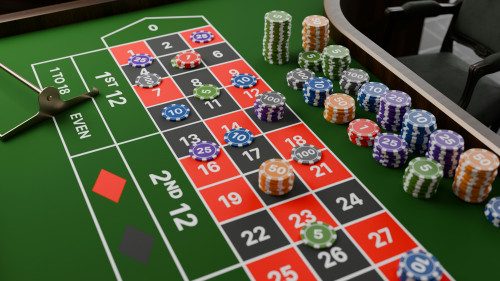
The system is typically applied to even-money bets—such as red/black, odd/even, or high/low. These bets have nearly a 50% chance of winning, making them more stable than riskier single-number wagers.
How the System Works in Practice
When using the Fibonacci strategy, you start with the smallest possible bet—say, $1. If you lose, you move one step forward in the sequence and increase your next bet accordingly. When you win, you move two steps back. This gradual progression helps you recover losses over time without the steep increases required by more aggressive systems like the Martingale.
Here’s a simple example:
- Bet $1 and lose → next bet: $1
- Lose again → next bet: $2
- Lose again → next bet: $3
- Win → move two steps back → next bet: $1
The idea is to maintain a steady rhythm of play, where losses can be recouped gradually without letting bets spiral out of control.
The Appeal of a Calm Approach
Many players are drawn to the Fibonacci strategy because it feels disciplined and deliberate. Instead of chasing losses or making impulsive decisions, you follow a clear plan. This structure can make the game more relaxing and enjoyable, especially for those who appreciate logic and order.
Another advantage is that the Fibonacci system increases bets more slowly than other progression systems. This means you can play longer on a moderate budget, getting more entertainment value from your time at the table.
Læs også:
Drawbacks and Limitations
While the Fibonacci strategy can bring structure to your play, it’s important to remember that roulette is still a game of chance. No betting system can overcome the house edge, and there’s never a guarantee of profit.
A long losing streak can still lead to large bets, and table limits may prevent you from continuing the sequence before you recover your losses. For that reason, the Fibonacci strategy should be viewed as a tool for discipline and enjoyment, not as a path to guaranteed winnings.
Tips for Using the Fibonacci Strategy Responsibly
- Set a clear budget before you start, and stick to it.
- Use the system only on even-money bets, where it works best.
- Know when to stop—quitting while ahead is part of playing smart.
- Treat roulette as entertainment, not as an investment.
By combining mathematics with moderation, the Fibonacci strategy can help create a more balanced and mindful roulette experience—whether you’re playing online or at a casino in Las Vegas or Atlantic City.
A Strategy for the Patient Player
The Fibonacci strategy isn’t for those chasing quick wins. It’s for players who appreciate rhythm, patience, and a touch of logic in a game ruled by chance. It won’t change the odds, but it can change your mindset—and that alone can make the game more satisfying.
Læs også: