The House Edge Explained: How It Reflects the Balance Between Risk and Reward

The House Edge Explained: How It Reflects the Balance Between Risk and Reward
When you step into a casino—whether it’s on the Las Vegas Strip, at a tribal casino, or on an online platform—one concept quietly shapes every game you play: the house edge. It’s the built-in statistical advantage that ensures the casino earns a profit over time. But the house edge isn’t just about numbers; it’s a reflection of the delicate balance between risk and reward that makes gambling both thrilling and sustainable.
What Does the House Edge Mean?
The house edge is a percentage that represents how much of each wager the casino expects to keep in the long run. If a game has a house edge of 2%, it means that, on average, the casino will earn $2 for every $100 wagered.
That doesn’t mean you’ll lose exactly 2% every time you play. In the short term, luck can swing wildly—you might hit a jackpot or lose your entire stake. But over thousands of plays, the math evens out, and the house’s advantage becomes clear. This is how casinos can offer big payouts and still stay profitable.
Læs også:
Examples from Roulette and Other Games
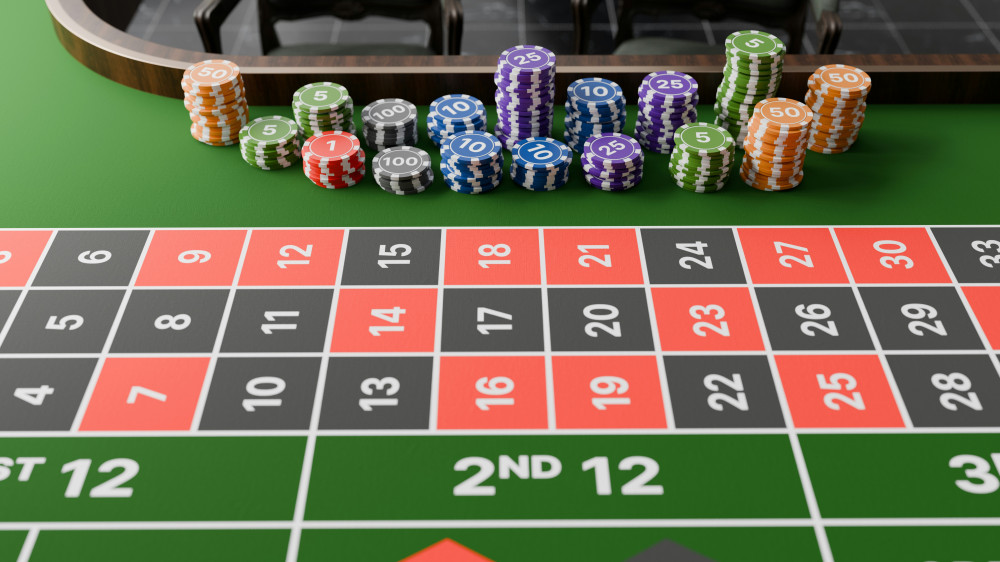
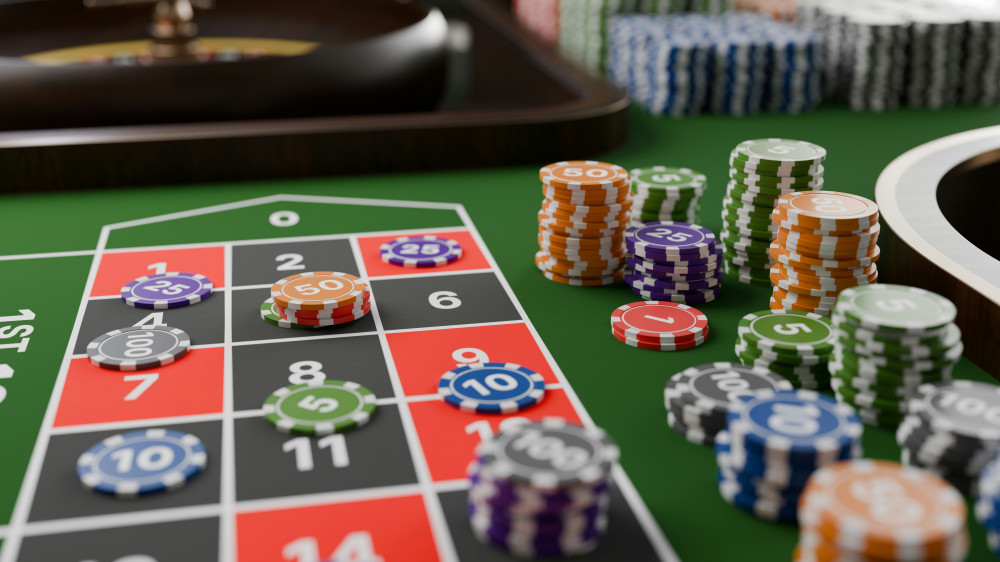
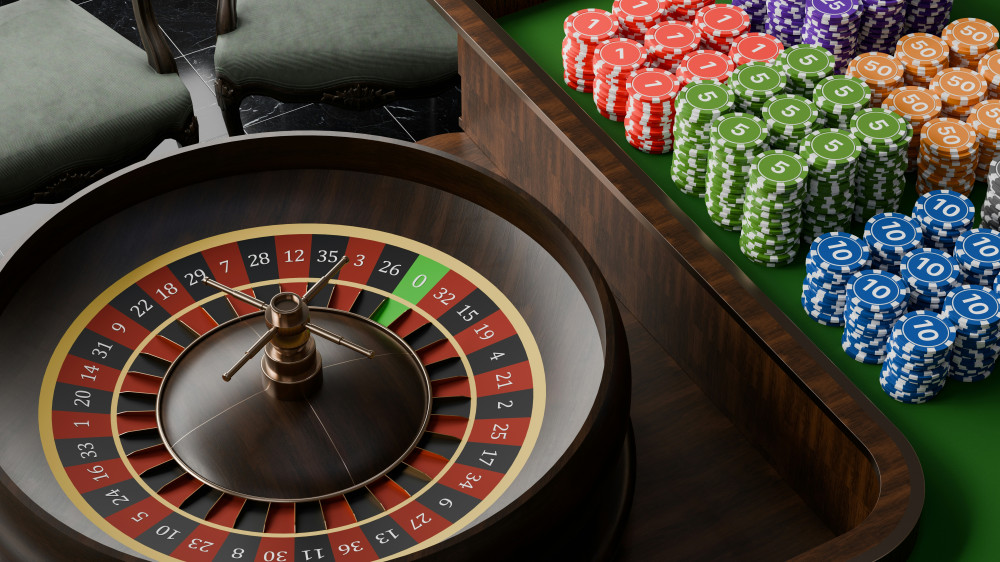
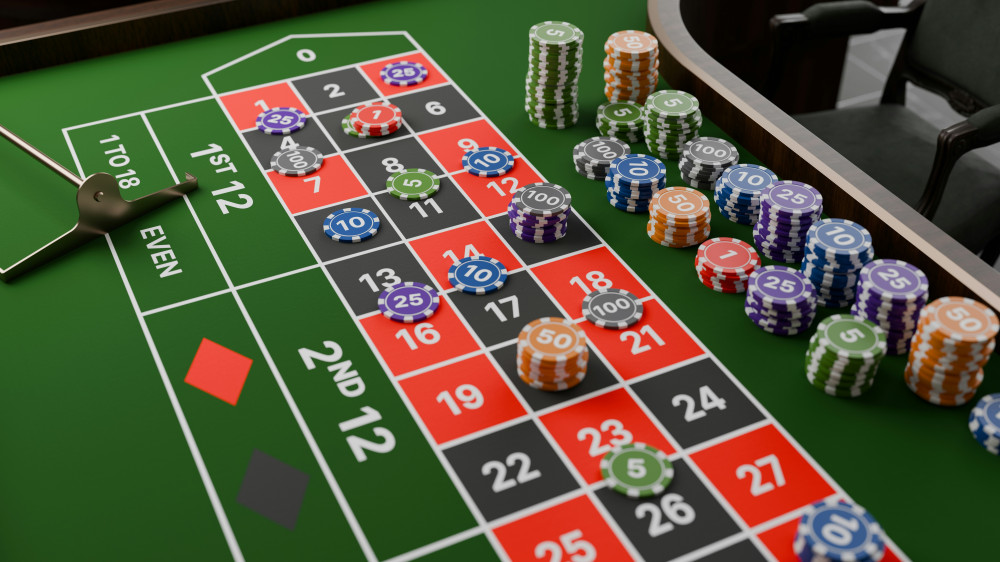
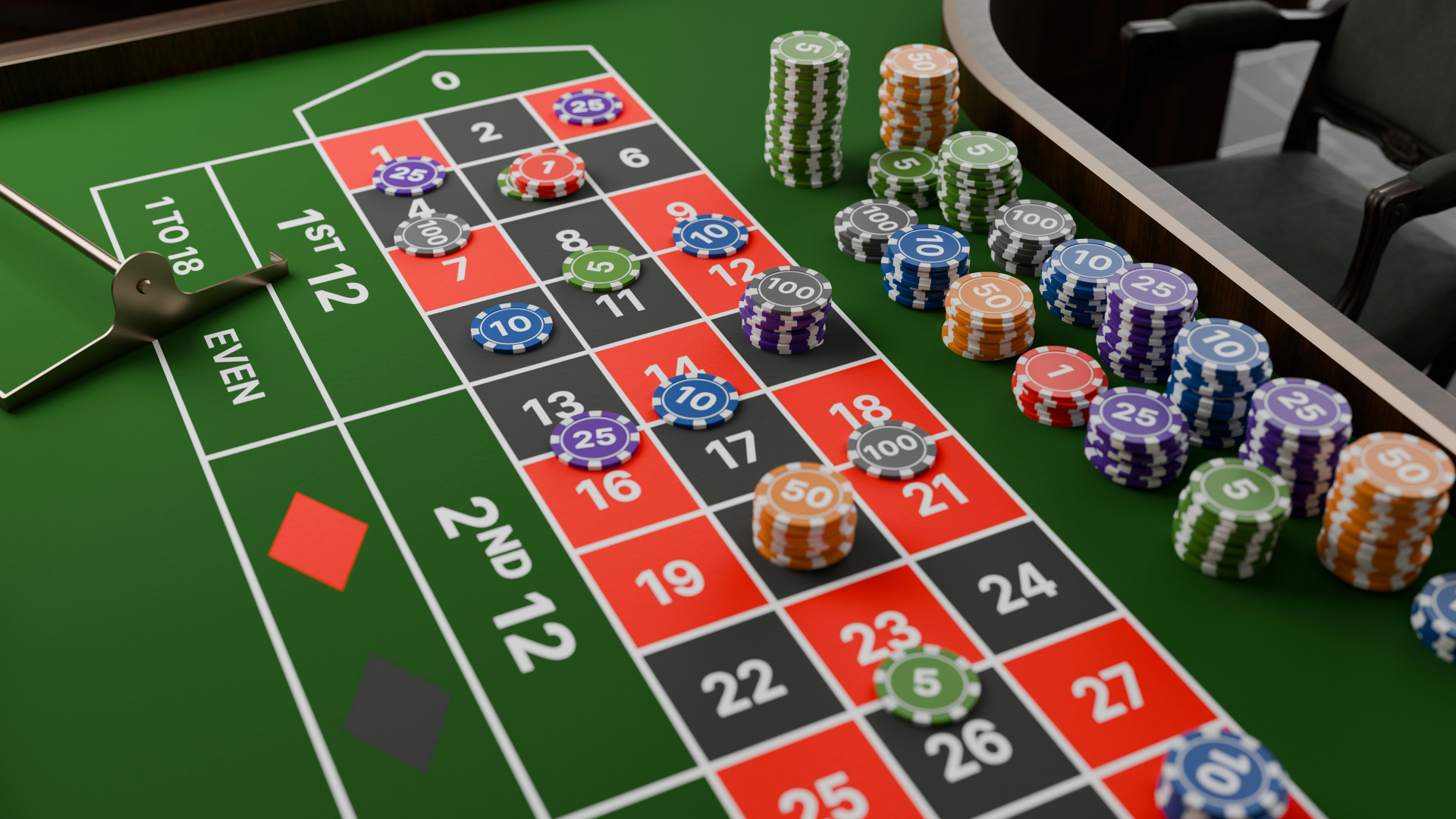
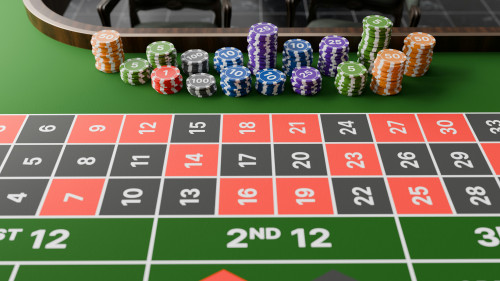
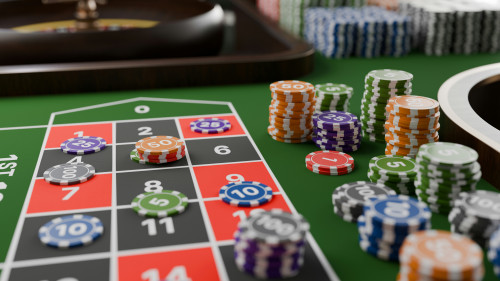
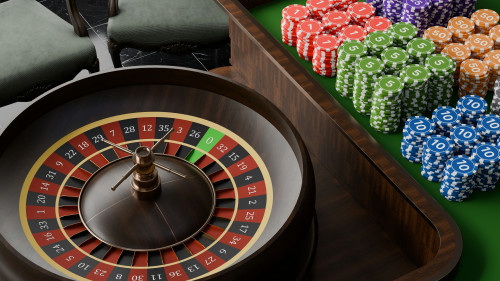
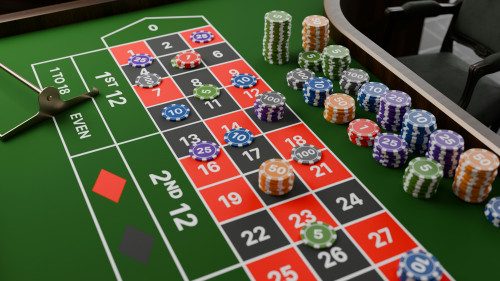
Roulette is one of the clearest examples of how the house edge works. In European roulette, there are 37 pockets—numbers 1 through 36 plus a single zero. A straight-up bet on one number pays 35 to 1, but your actual odds of winning are 1 in 37. That small difference creates a house edge of about 2.7%.
In American roulette, there’s an extra double zero (00), bringing the total to 38 pockets. That small addition nearly doubles the house edge to 5.26%. It’s a perfect illustration of how even a minor rule change can significantly shift the odds in the casino’s favor.
Other games vary widely. Blackjack can have a house edge below 1% when players use optimal strategy, while slot machines often range from 3% to 10%. The higher the house edge, the greater the risk—but often, the bigger the potential reward.
Risk and Reward: Two Sides of the Same Coin
The house edge is really a measure of the eternal trade-off between risk and reward. Games with a low house edge tend to offer steadier, smaller wins, while games with a higher edge are more volatile—you might win big, but you’re more likely to lose.
Every player has a different comfort level. Some prefer games of skill, where strategy can reduce risk, while others chase the adrenaline rush of high-variance games where anything can happen in a single spin or hand.
Why the House Always Wins—Eventually
Individual players can and do win, sometimes spectacularly. But over time, the house edge guarantees that the casino will come out ahead. This isn’t cheating—it’s the foundation of the gaming industry. Without that built-in advantage, casinos couldn’t operate, and the games themselves wouldn’t exist.
For players, understanding the house edge is key to responsible gambling. It reminds you that casino games are entertainment, not investment opportunities. Knowing the odds helps you make informed choices and enjoy the experience for what it is—a form of paid excitement.
Can You Beat the House Edge?
In most games, the answer is no—at least not in the long run. However, in games like blackjack and poker, skill and strategy can make a real difference. In blackjack, perfect play can reduce the house edge to under 0.5%. In poker, you’re competing against other players, not the house, so your skill directly affects your results.
There are betting systems—like the Martingale in roulette—that claim to overcome the house edge, but they don’t change the underlying math. The house advantage remains constant, no matter how you structure your bets.
A Lesson in Probability and Self-Control
Understanding the house edge isn’t just about gambling—it’s about grasping probability and human behavior. Games of chance appeal to us because they mix risk with hope, and because we often overestimate our ability to influence random outcomes.
When you know how the house edge works, it becomes easier to set limits, play responsibly, and appreciate the game for its true purpose: entertainment built on uncertainty.
Finding the Balance Between Fun and Realism
The house edge isn’t the enemy—it’s part of what makes casino gaming possible. It ensures that casinos can keep their doors open while giving players the chance to experience excitement, suspense, and the occasional big win. Ultimately, it reminds us that risk and reward are inseparable—and that the best gaming experience comes from understanding and respecting that balance.
Læs også: