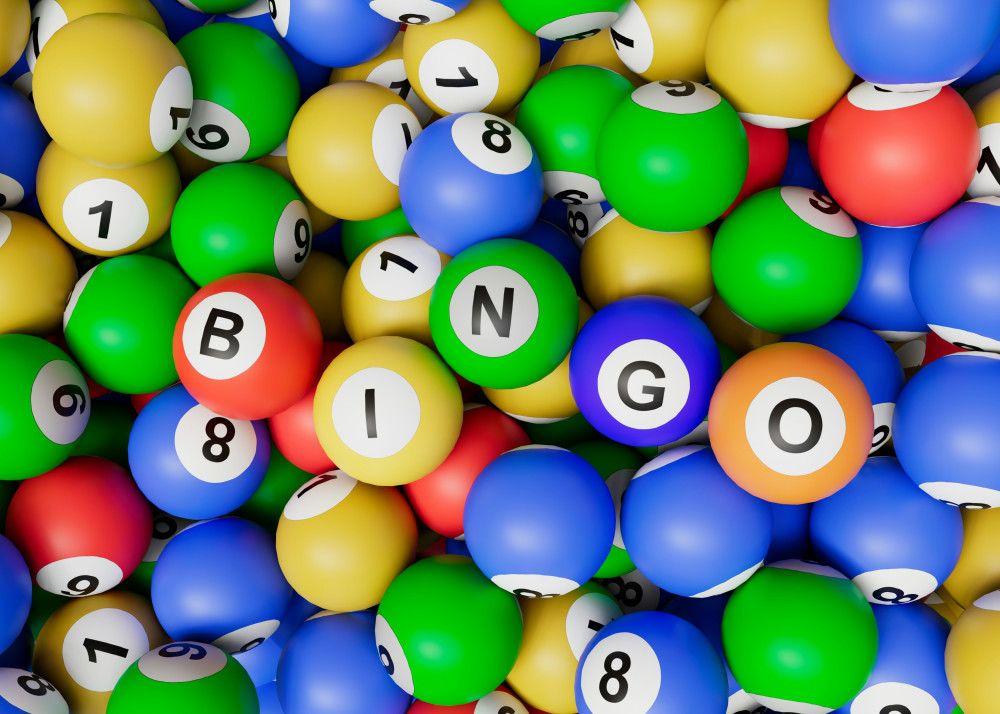
Bingo Brings Generations Together: A Social Experience for All Ages

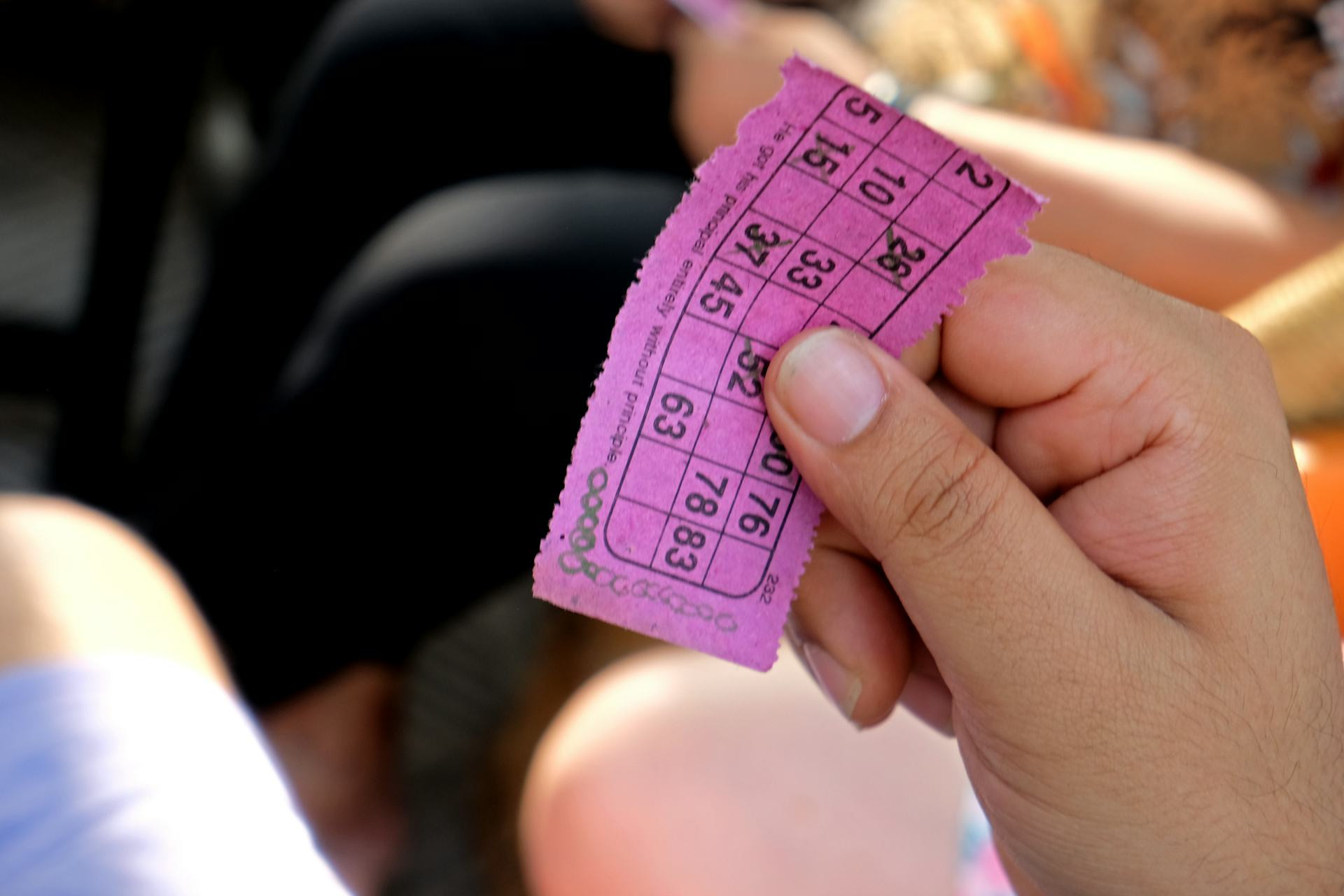
Bingo Brings Generations Together: A Social Experience for All Ages
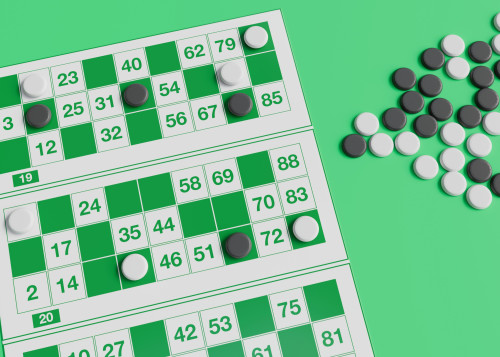
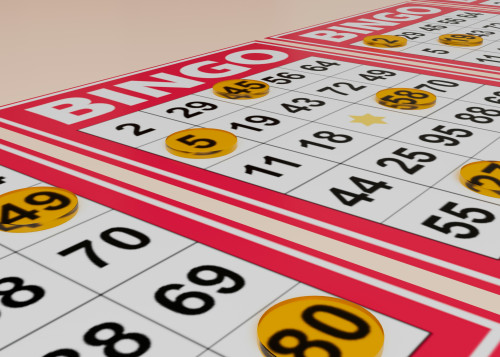
Bingo is much more than a game of numbers and cards—it’s a social tradition that connects people across generations, backgrounds, and communities. From church basements and community centers to family living rooms and online platforms, bingo continues to bring people together in ways few other games can. But what is it about bingo that keeps it so beloved, decade after decade?
A Game with History and Heart
Bingo’s roots stretch back several centuries, but it became a true American pastime in the early 20th century. By the 1930s, bingo nights were a staple at local churches, schools, and fundraisers, offering both entertainment and a way to support community causes. The excitement of waiting for that final number—and the joy of shouting “Bingo!”—hasn’t faded since.
Even as traditional bingo halls have declined in some areas, the spirit of the game lives on. Today, you’ll find bingo being played in senior centers, veterans’ halls, family gatherings, and online communities. Wherever it’s played, bingo creates a space where people meet as equals, sharing laughter and friendly competition.
A Game for Every Generation
One of the reasons bingo remains so popular is its simplicity. The rules are easy to learn, and anyone can join in—children can practice number recognition, while older adults enjoy the social interaction and mental stimulation. This makes bingo a perfect activity for family nights, school events, and community get-togethers.
Many American families have made bingo a holiday tradition, especially around Thanksgiving or Christmas. It doesn’t require expensive equipment, and prizes can be as simple as candy, small gifts, or homemade treats. The real reward isn’t winning—it’s spending time together and creating shared memories.
Læs også:
Bingo as a Social Connector
For many seniors, bingo plays a special role in daily life. In retirement communities and nursing homes, bingo sessions are more than just games—they’re opportunities to connect, laugh, and stay mentally active. The familiar rhythm of the game and the camaraderie it fosters can brighten anyone’s day.
Younger generations, too, are rediscovering bingo in creative new forms. Variations like music bingo—where players mark off songs instead of numbers—or themed bingo nights centered around movies, food, or pop culture have become popular in bars and social clubs. These modern twists show that bingo can evolve while keeping its welcoming spirit intact.
Online Bingo: Staying Connected from Afar
The digital age has given bingo a fresh boost. Online bingo platforms and mobile apps make it easy to play with friends and family, even when miles apart. During times when in-person gatherings weren’t possible, virtual bingo nights became a fun way to stay connected and share laughter through video calls.
Online bingo has proven that the game’s social essence can thrive even in a digital format. Whether it’s a family reunion over Zoom or a charity fundraiser streamed live, bingo continues to bring people together—no matter the distance.
Why Bingo Still Matters
Bingo is one of those rare games that’s both relaxing and exciting. It doesn’t demand strategy or quick reflexes—just attention, anticipation, and a bit of luck. That accessibility makes it appealing to everyone, fostering a sense of community rather than competition.
Beyond the game itself, bingo creates lasting memories. Many people can recall the sound of numbers being called, the laughter echoing through the room, and the shared thrill of a near win. Those moments of connection are what make bingo timeless.
A Simple Game with a Big Impact
In an era when so much of our social life happens through screens, bingo reminds us of the joy of shared experiences. Whether played in a local hall, around the kitchen table, or online, bingo is ultimately about being together—celebrating small victories, sharing smiles, and feeling part of something bigger.
Bingo may be a game of numbers, but its true value lies in the people who play it—and the generations it continues to bring together.
Læs også: