Sharpen Your Senses with Bingo – The Game That Boosts Focus and Reaction Time

Sharpen Your Senses with Bingo – The Game That Boosts Focus and Reaction Time
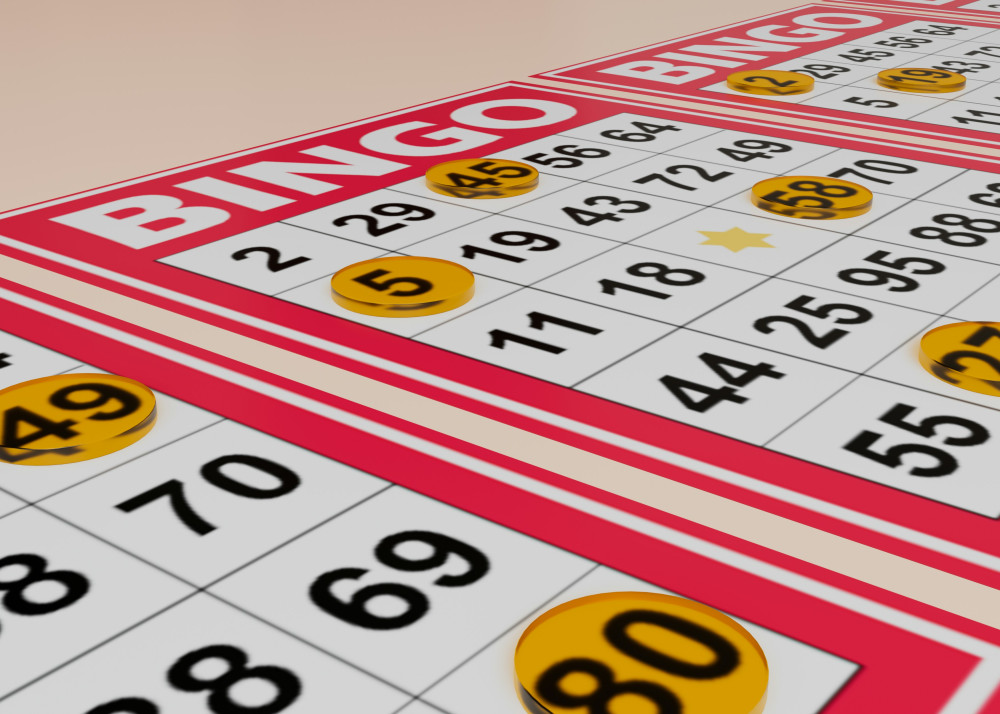
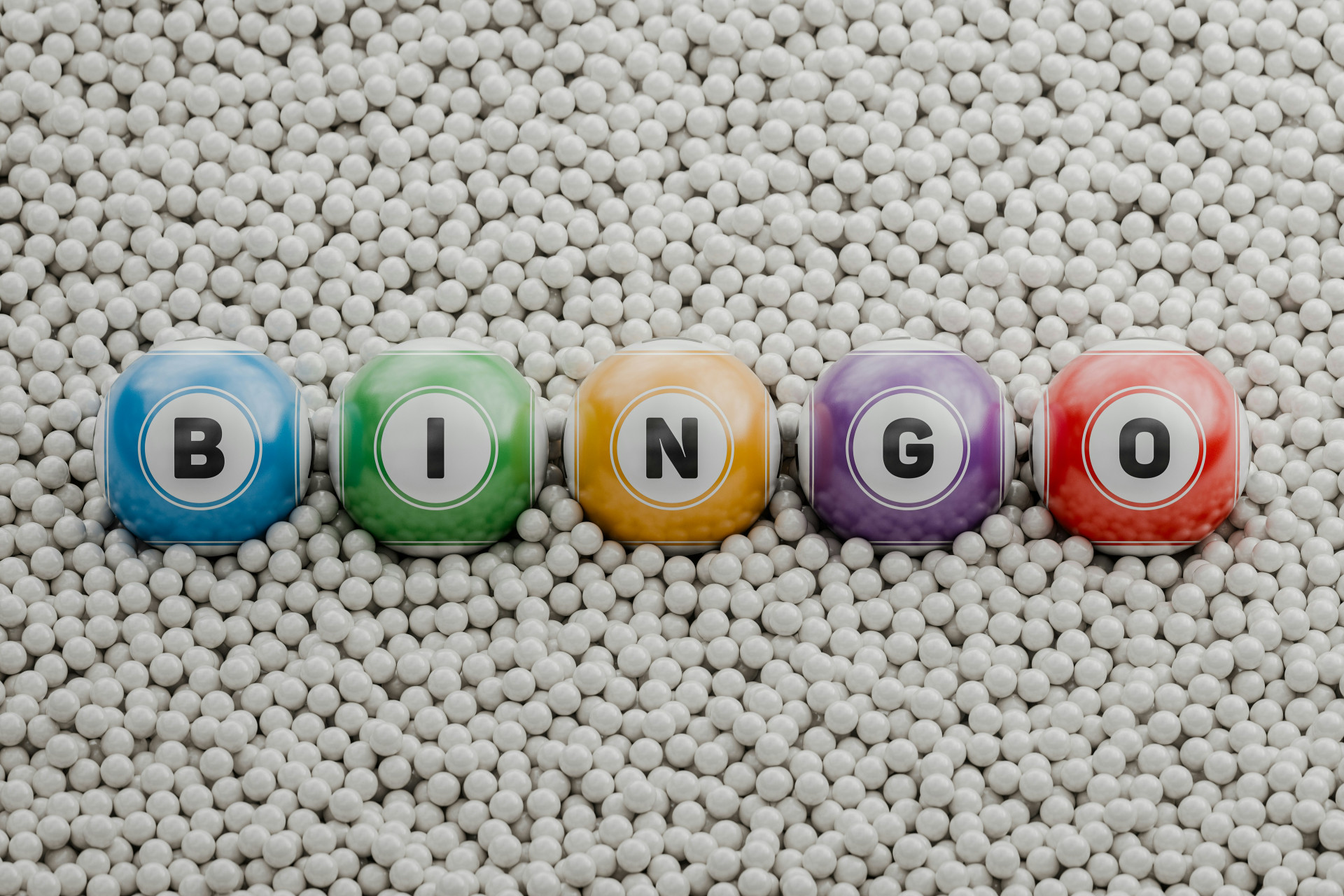
Bingo might bring to mind community halls, family gatherings, or online games with friends, but behind the colorful cards and quick calls lies a game that can actually train your brain. Bingo demands concentration, quick reactions, and the ability to stay alert – skills that strengthen focus and sharpen the senses. Let’s take a closer look at how bingo can be more than just entertainment, and why it’s a game that benefits players of all ages.
A Game of Speed and Attention
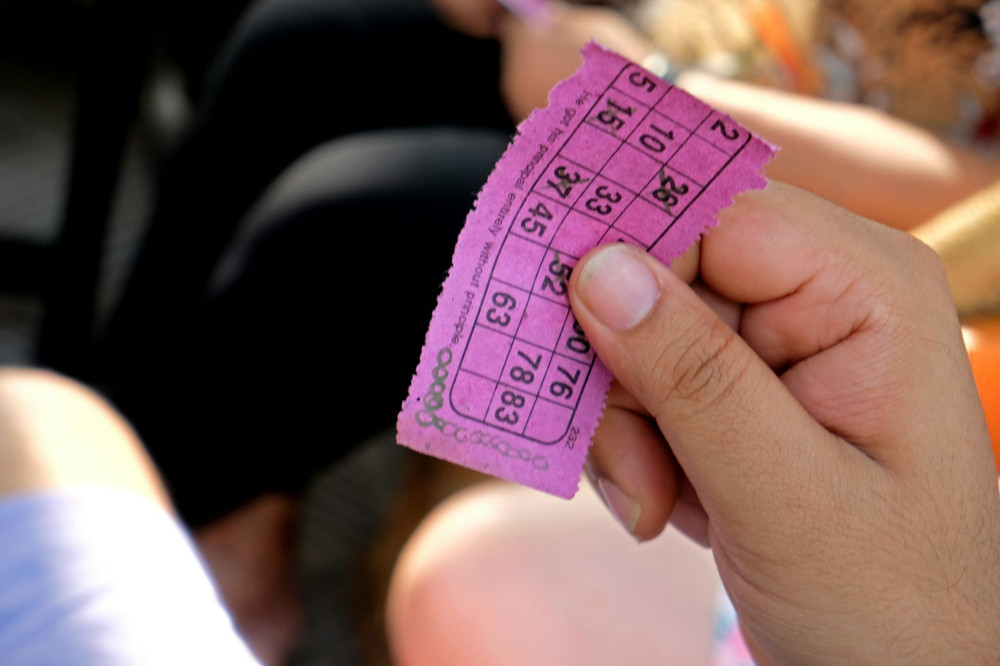
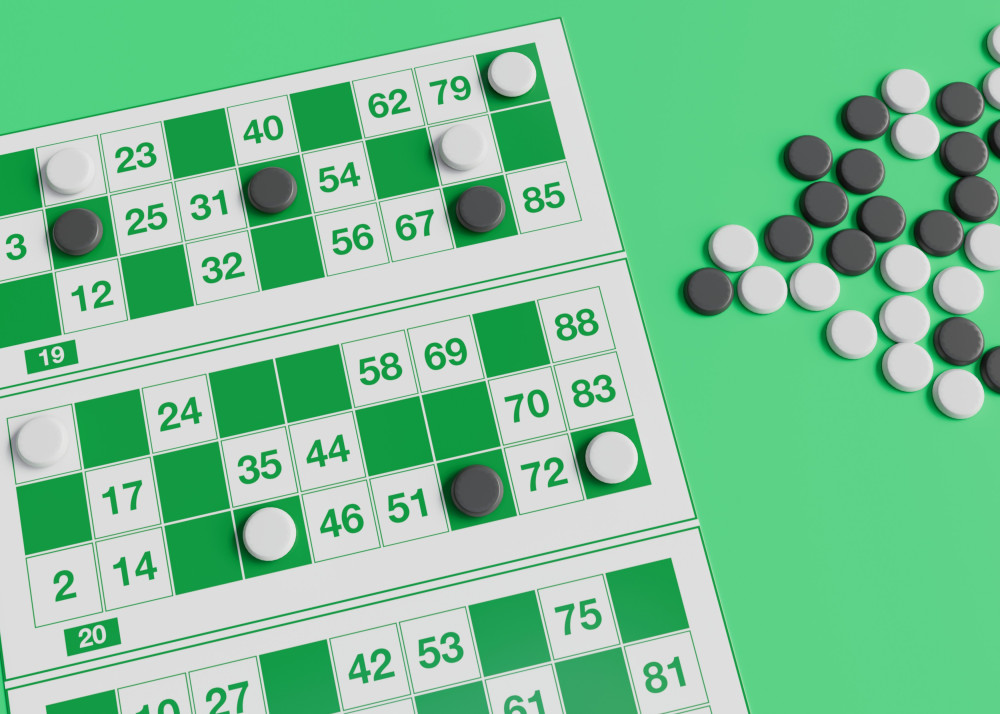
When the numbers are called and players scan their cards, there’s no time to hesitate. Each player must listen, recognize, and react in seconds. This constant coordination between hearing and sight keeps the brain active and engaged, improving both concentration and reaction time.
Research on cognitive games shows that activities requiring quick responses to visual and auditory cues can enhance the brain’s ability to process information. Bingo is a perfect example: it challenges players to maintain focus even as the pace picks up, and to shift attention between multiple cards at once.
Læs også:
A Fun Workout for the Brain
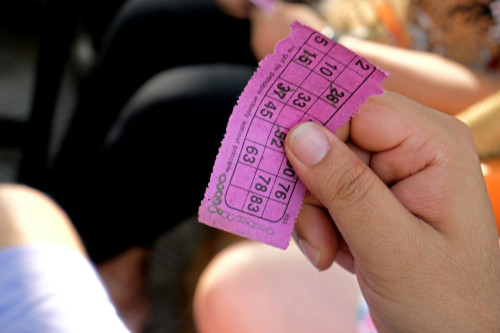
Bingo isn’t just a game of luck – it’s also a form of mental exercise. It helps players practice sustained attention and quick decision-making. For older adults, it can be a way to keep the mind sharp, while younger players can strengthen their ability to react swiftly and accurately.
Several studies suggest that games like bingo can have a positive effect on short-term memory and focus. Because the game requires constant attention and rapid responses, it helps train the brain to stay alert – a skill that’s useful far beyond the bingo hall.
Social Connection with a Healthy Twist
One of bingo’s greatest strengths is its social nature. Whether played at a local community center, a senior living facility, or online, bingo brings people together around a shared experience. That social connection has its own mental health benefits, especially for older adults who may experience loneliness.
Playing together stimulates both the mind and the mood. Laughter, excitement, and small victories release dopamine, the “feel-good” chemical that boosts motivation and happiness. That makes bingo not only good for the brain but also for overall well-being.
Bingo in Modern Forms
Today, bingo comes in many variations. Traditional number bingo exists alongside themed versions, music bingo, and online formats that let you play with people from across the country. Digital bingo has made the game more accessible and flexible while keeping the cognitive challenges that make it so beneficial.
Music bingo, for example, replaces numbers with song clips, challenging players to recognize tunes quickly. It’s a fun twist that trains memory, recognition, and reaction time – all wrapped in an entertaining package.
How to Get the Most Out of the Game
If you want to use bingo as a way to boost focus and reaction time, it’s all about finding the version that suits you best. Here are a few tips:
- Play regularly – consistency strengthens the effect and keeps your brain active.
- Challenge yourself – try playing with multiple cards or at a faster pace.
- Mix it up – switch between different versions like music bingo or picture bingo for new types of stimulation.
- Play with others – the social aspect makes the experience more enjoyable and motivating.
By doing so, bingo becomes more than just a pastime – it turns into an activity that combines fun, community, and mental training.
A Game That Keeps the Mind Awake
Bingo is one of those rare games that can bring generations together while giving the brain a healthy workout. It requires no special skills but rewards focus, speed, and persistence. Whether you play for fun or to keep your senses sharp, bingo proves that play and learning can go hand in hand.
Læs også: